In today's fast-paced world, more people are looking for natural ways to support their overall well-being. From herbal teas and botanical oils to plant-based powders and skincare products, herbal products have become an essential part of many healthy lifestyles. Their growing popularity reflects a renewed appreciation for nature and a desire to choose products made from naturally derived ingredients.
Herbal products are not a new trend. For generations, people across different cultures have relied on herbs to support everyday wellness, maintain personal care routines, and promote a balanced lifestyle. Today, modern processing techniques and quality standards make it easier than ever to enjoy the benefits of herbs in convenient and easy-to-use forms.
Whether you are just beginning your herbal journey or already enjoy natural products, understanding their value can help you make more informed choices.
Herbal products are items made primarily from plants or plant extracts. They may include leaves, roots, flowers, seeds, bark, or fruits that are carefully processed into useful forms.
Common herbal products include:
Many of these products are prepared with minimal processing to preserve the natural qualities of the ingredients.
Consumers today are paying closer attention to what they use every day. Reading ingredient labels, choosing naturally derived products, and reducing unnecessary exposure to harsh chemicals have become common habits.
Some of the reasons people choose herbal products include:
Many herbal products are made using ingredients sourced directly from plants. They often contain fewer synthetic additives compared to conventional alternatives.
Many people find herbal-based personal care products suitable for regular use as part of their daily routines.
Across the world, herbs have been used in homes and communities for centuries. This long history has inspired many people to continue incorporating natural ingredients into their modern lifestyles.
Many herbal brands focus on sustainable farming, environmentally friendly packaging, and responsible sourcing, making them attractive to environmentally conscious consumers.
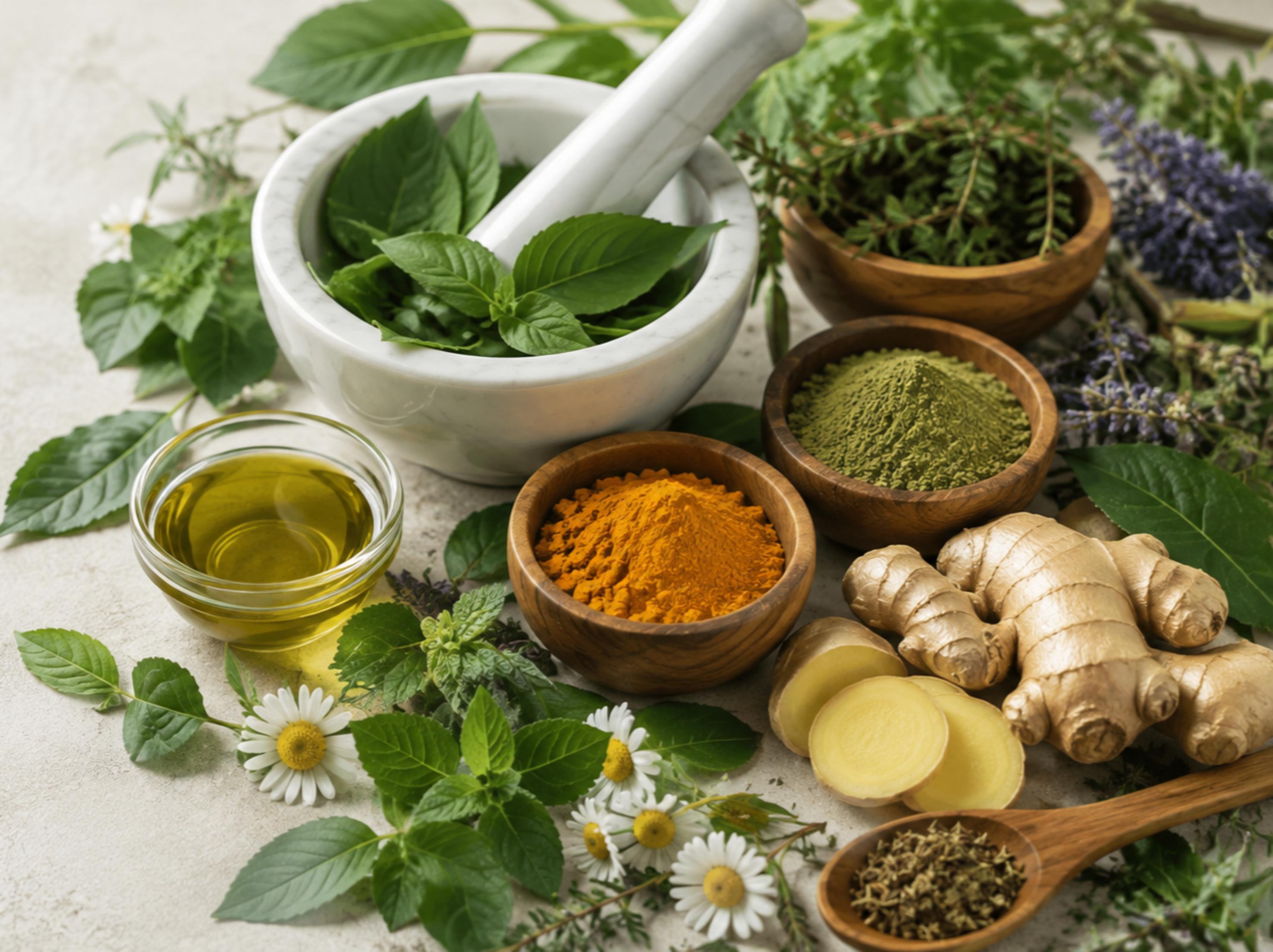
Nature provides countless herbs, each with its own unique characteristics. Some commonly used herbs include:
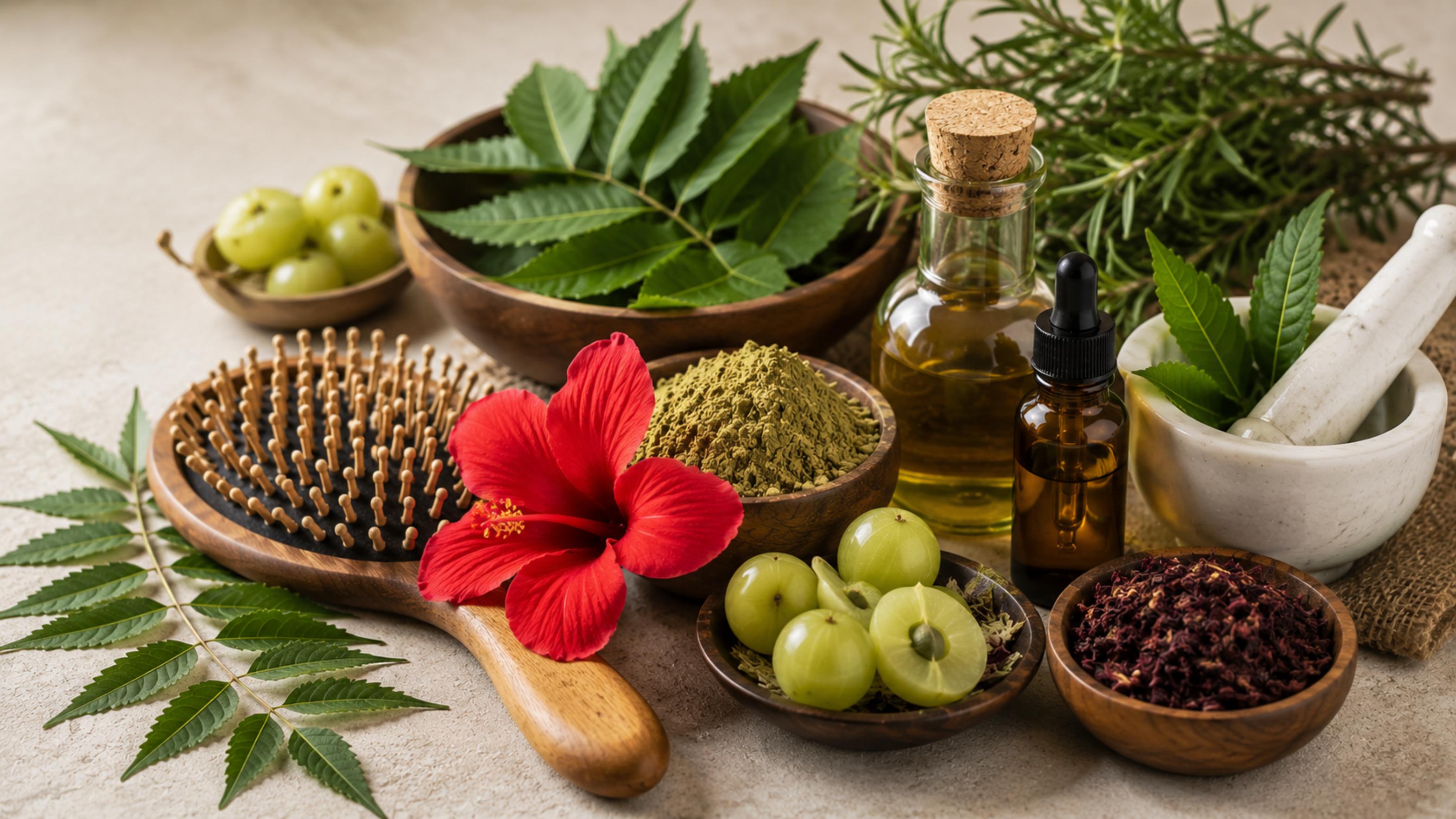
Neem is widely used in soaps, face cleansers, shampoos, and hair oils. It has long been valued as part of traditional personal care routines.
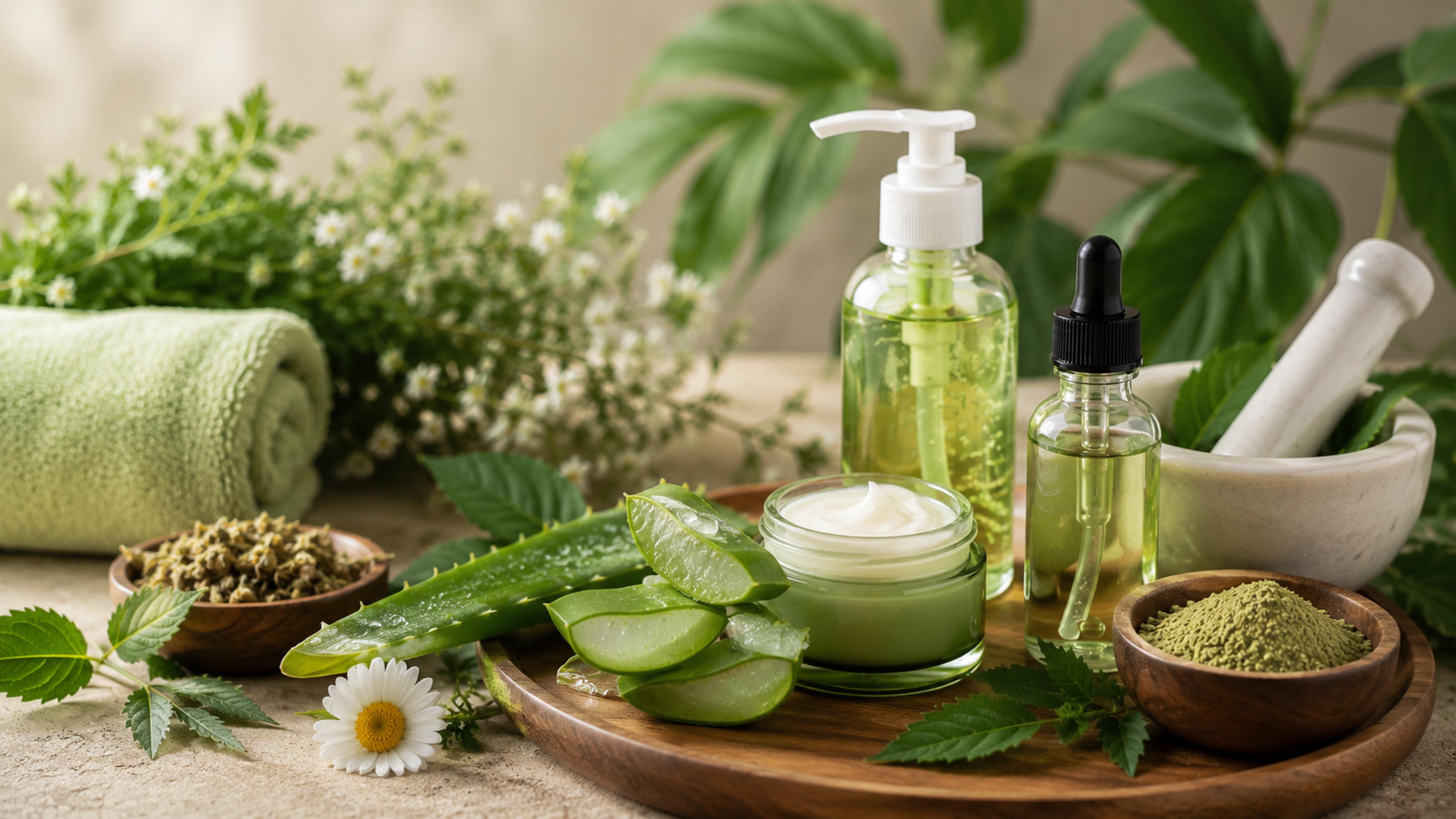
Known for its soothing properties, aloe vera is a common ingredient in moisturizers, gels, lotions, and skincare products.
Turmeric has become a popular ingredient in skincare products, herbal powders, and wellness preparations because of its rich natural compounds.
Rosemary is often included in hair oils, shampoos, and scalp care products due to its refreshing botanical qualities.
Hibiscus flowers are commonly used in hair care products designed to support healthy-looking hair.
Green tea extracts frequently appear in skincare products because of their naturally occurring antioxidants.
Adding herbal products to your lifestyle doesn't require major changes. Small habits can make a noticeable difference over time.
Here are a few simple ideas:
Consistency is often more important than making dramatic changes.
Not every product labeled as "natural" is created with the same level of care. Before purchasing herbal products, consider a few important factors.
Look for products that clearly list their ingredients. Transparency is usually a good indicator of quality.
Products made in clean, regulated manufacturing facilities often provide greater confidence in quality and safety.
Whenever possible, choose products that minimize artificial colors, fragrances, and unnecessary fillers.
Purchasing from reputable brands helps ensure better quality control and consistency.
Herbal products are available for many aspects of everyday living.
Natural soaps, herbal shampoos, face washes, body oils, and moisturizers have become popular choices for daily care.
Many botanical oils and herbal powders are traditionally incorporated into hair care routines to help maintain healthy-looking hair.
Face masks, cleansers, scrubs, and creams often include herbs such as aloe vera, turmeric, sandalwood, or green tea.
Herbal teas, aromatic oils, and natural fragrances can contribute to a refreshing home environment.
Choosing herbal products often goes hand in hand with making environmentally responsible decisions. Many companies now focus on:
Supporting such brands encourages responsible use of natural resources while helping preserve biodiversity.
Although herbal products have been used traditionally for generations, they are not intended to replace professional medical advice or prescribed treatments. Individual experiences may vary depending on personal needs, product quality, and how products are used.
When trying a new skincare or hair care product, it is generally a good idea to perform a patch test first. If you have allergies, underlying health conditions, or are pregnant or breastfeeding, consult a qualified healthcare professional before using herbal products intended for consumption or therapeutic purposes.
Herbal products offer a simple way to reconnect with nature in everyday life. From personal care and skincare to hair care and wellness routines, plant-based products continue to gain popularity among people seeking natural alternatives.
Choosing quality ingredients, purchasing from trusted brands, and using products consistently can help you build a lifestyle that embraces the goodness of nature. Whether you are exploring herbal products for the first time or expanding your existing routine, every small step toward natural living is a step toward a more mindful way of caring for yourself and the environment.